What Are Hair Jigs?
Hair jigs are tied using natural animal hair — typically deer, elk, or bucktail — or high-quality synthetic fibers wrapped around a jig head. Unlike soft plastic or rubber-skirted jigs, hair jigs produce an incredibly subtle, breathing action in the water. Each fiber moves independently, creating a lifelike profile that closely imitates crawfish, sculpins, and small baitfish. This natural presentation is what makes hair jigs one of the most effective finesse lures available, particularly in cold or clear water where fish are wary of aggressive presentations.
Sizes and Weights
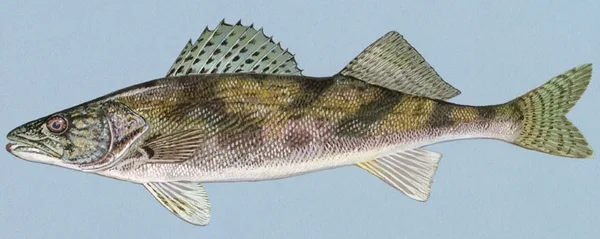
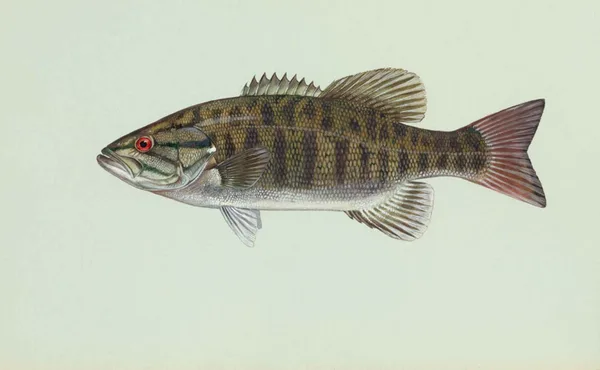
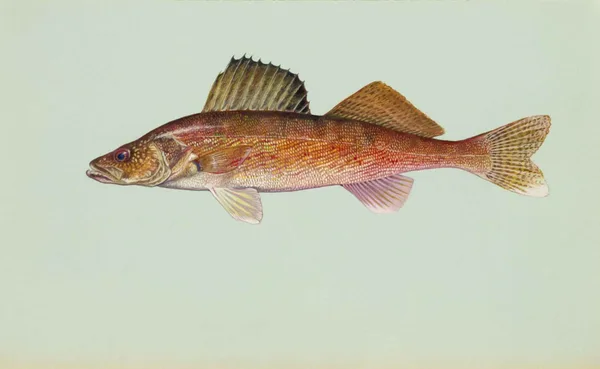
Hair jigs typically range from 1/8 oz up to 1/2 oz, with 1/4 oz being the most versatile all-around weight. For river smallmouth fishing along rocky banks and current seams, 3/16 to 1/4 oz keeps the jig in the strike zone without hanging up constantly. Walleye anglers working deeper structure in reservoirs often go heavier at 3/8 to 1/2 oz to maintain bottom contact in 15-25 feet of water. Sauger in tailwaters may require even heavier heads to punch through swift current and reach fish holding tight to the bottom.
How to Fish Hair Jigs
The fundamental retrieve is a slow drag-and-hop along the bottom. Cast upstream or across current and let the jig sink to the bottom on a semi-tight line. Lift the rod tip 6-8 inches, then let the jig fall back on a controlled slack line — most strikes come on the fall. The key is patience. Hair jigs are not power fishing tools. Work them slowly, pausing frequently, and pay attention to any tick or weight change in the line.
In still water or lakes, drag the jig along gravel points and rocky transitions where smallmouth and walleye stage during pre-spawn. A slow, steady pull with occasional pauses lets the hair fibers flare and contract, mimicking a crawfish scooting along the bottom.
When Hair Jigs Excel
Hair jigs are at their best in cold water — early spring pre-spawn, late fall, and even through open water in winter. When water temperatures are below 55 degrees and fish are sluggish, the subtle movement of hair outperforms louder, more aggressive presentations. They also shine in ultra-clear water where fish have time to inspect a lure before committing. Brown trout in clear tailraces and smallmouth on gin-clear Ozark streams are textbook hair jig targets. Pair one with a sensitive medium-light spinning rod and 6-8 lb fluorocarbon for the best feel and hookset efficiency.